No Risk Charity Auctions: Start With an Honest Conversation
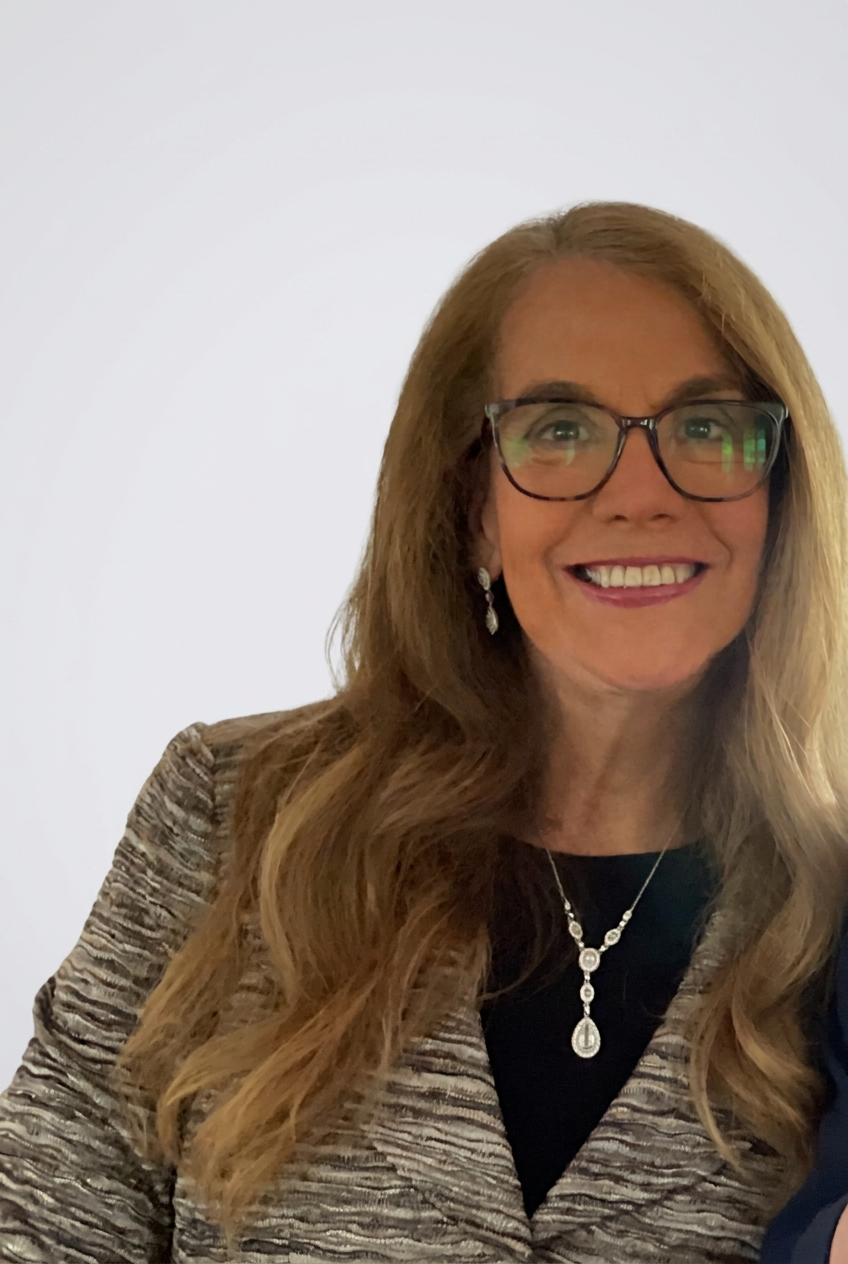
When I began interviewing consignment companies, I had questions. As a benefit auctioneer, I had seen how difficult it could be to sell an item that did not fit the room. I wanted to understand when consignment helps a nonprofit and how to choose a partner with confidence.
Justin at No Risk Charity Auctions was my first interview. What I remember most is how comfortable I felt asking those questions.
Early in our conversation, he acknowledged something plainly: "My opinion is biased. It's what business I'm in."
He then suggested that nonprofits unfamiliar with consignment seek advice from people they already trusted: their auctioneer, an event planner, or experienced supporters. That gave me confidence in the conversation. There was room to ask whether consignment made sense in the first place.
Understand how the arrangement works
Justin was equally direct about the business itself. He described No Risk Charity Auctions as a for-profit company and explained how selling through nonprofit events allowed him to reach buyers without operating a retail storefront.
The supplier earns money. The nonprofit gains access to items it may have difficulty securing through donations. Whether that arrangement works for a particular event depends on the cost, the audience and what the organization can reasonably expect to keep.
Those are useful things to discuss before falling in love with an item.
I would want a committee to leave that conversation understanding what it owes the supplier, what happens if an item does not sell, and who handles delivery or fulfillment. A friendly conversation is a good beginning. Clear terms give the organization something concrete to evaluate.
Think beyond one sale
Justin described a Taylor Swift guitar concept that combined a signed pickguard with hand-painted artwork based on the winning bidder's choice of musical era. The personalization gave us something interesting to discuss, but his explanation of pricing stayed with me.
He wanted the charity to have room to do well. In his view, a successful event and a satisfied client were worth more over time than extracting a little more from a single item. Popular artists and products would change; he hoped the relationships would continue.
That is a useful perspective for a nonprofit, too. The committee needs an item that fits this year's event, but it also benefits from a supplier willing to learn what works for its supporters over time.
Give the committee options
One practical suggestion opened up another way to think about procurement.
For a group hesitant about consignment, Justin suggested finding one or two supporters willing to cover an item's purchase cost. Their underwriting could make an item available that the committee could not otherwise obtain as a donation.
The nonprofit would then retain the auction proceeds before other event expenses because the purchase had already been funded.
The cost still exists, and the item still needs interested bidders. But a supporter who cannot donate a vacation or secure celebrity memorabilia may be willing to help purchase something appropriate. It gives the committee another specific, manageable ask.
Confidence comes from understanding
We also talked about the work that happens before an auction: asking about past results, understanding the audience, and choosing items at prices that make sense for that room.
That preparation matters to me. An auctioneer can bring energy and connection, but those strengths work best when the decisions behind the event are sound.
I finished my conversation with Justin feeling comfortable and confident because he was willing to explain his thinking, acknowledge his interests, and consider different approaches.
That is what I would encourage a nonprofit to look for in a consignment partner: someone who helps the committee understand its choices well enough to make a decision it can stand behind.